

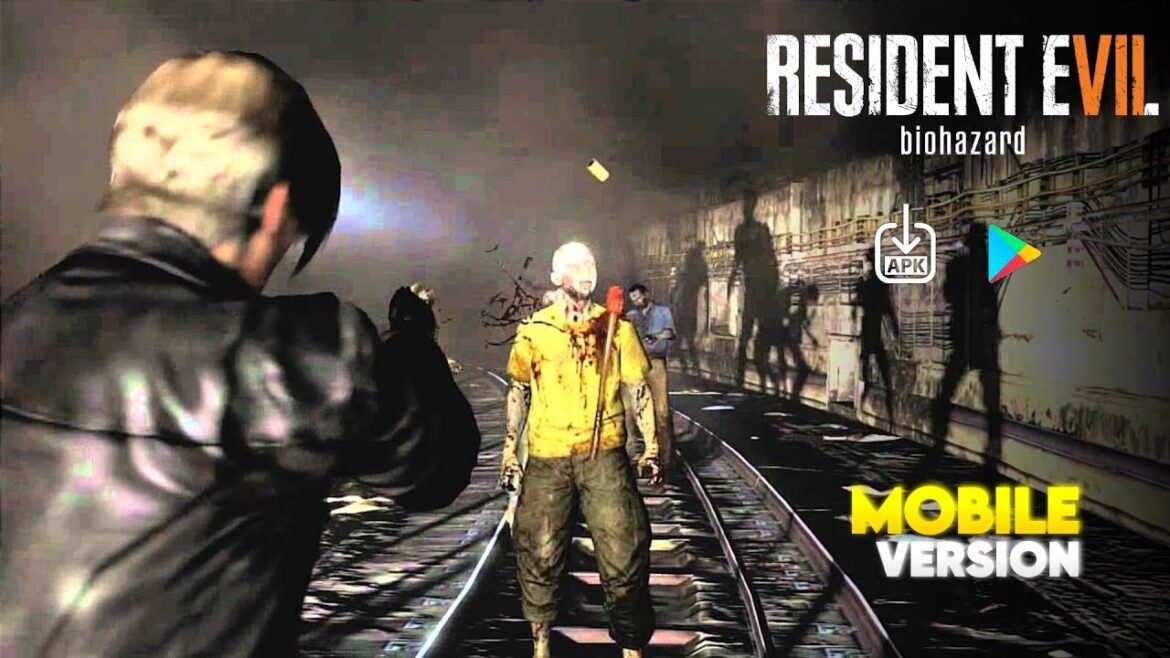
Resident Evil 7 on Mobile: iPhone 16 Pro Max vs ROG 8 Pro (FPS & Graphics Comparison)
🎮 Intro: Mobile Gaming Enters the AAA Arena
Mobile gaming isn’t just about Candy Crush or PUBG Mobile anymore—things have leveled up fast. Today, we’re diving deep into something many mobile gamers never thought they’d see: a full-blown Resident Evil 7 gaming comparison between Android’s PC emulation (via Winlator) and the official iOS PC port. On the Android side, we’ve got the beastly ROG Phone 8 Pro, and facing off against it is Apple’s powerhouse, the iPhone 16 Pro Max.
The goal? To find out who reigns supreme in the world of high-end horror gaming on mobile: Android PC Emulation or the native iOS Port.
Let’s dive into the shadows of Resident Evil 7: Biohazard and see who survives this intense mobile showdown.
💻 What Is Android PC Emulation? And iOS Porting?
Before we get into the action, let’s quickly break it down for the uninitiated:
- Android PC Emulation: This involves using tools like Winlator, a compatibility layer that allows Android devices to emulate Windows PC games. It’s experimental and resource-heavy—but powerful if your device can handle it.
- iOS PC Port: Apple has recently begun pushing real AAA games onto their platform as native ports—meaning no emulation, just direct optimization. These versions run smoother out of the box and offer fewer bugs or compatibility issues.
For this test, we’re using Resident Evil 7, as it’s one of the few PC games that:
- Runs decently on Winlator for Android
- Has a native iOS version
Let the battle begin!
⚙️ Setup Details
🟩 Android – ROG Phone 8 Pro (via Winlator)
- Game: Resident Evil 7 (PC version)
- Settings: 720p, Lowest Graphics
- Emulation Tool: Winlator
- FPS Range: 32-50 FPS, with some heavy throttling
- Temperature Peak: 45°C
- Storage & RAM: UFS 4.0 SSD, 16GB RAM
🍎 iOS – iPhone 16 Pro Max (Native Port)
- Game: Resident Evil 7 (App Store Port)
- Settings: Default High, Up to 4K support
- FPS Range: 59-60 FPS (very stable)
- Temperature Peak: 36°C
- Chip: Apple A18 Pro with hardware-based MetalFX rendering
🎮 Gameplay Performance: Horror in the Palm of Your Hand
👻 First 10 Minutes – Opening Cutscene and Intro Gameplay
The beginning of Resident Evil 7 is cinematic, tense, and atmospheric. Both devices handled the intro cutscenes without major issues, though Android’s emulation needed a performance downgrade to keep up.
- iPhone 16 Pro Max ran the entire intro flawlessly, maintaining 60 FPS with no dips, stutters, or delays. Lighting, shadows, and facial animations looked console-grade.
- ROG 8 Pro also pulled through, but you could tell it was struggling under pressure. Frame dips to the low 30s were noticeable in cinematic scenes, and the visual fidelity was lower due to resolution and graphics compromises.
😱 In-Game Combat and Exploration
During intense moments like navigating the haunted house, encountering Mia, or facing jump scares:
- Android’s Winlator setup began to show its limits. FPS occasionally chugged, especially in particle-heavy or dark environments. Combat was doable but not super smooth.
- iOS stayed buttery smooth even during the horror chaos. Apple’s port really shines in real-time rendering. The game looks and feels like it belongs on the device.
🔥 Thermals: Can They Handle the Heat?
- ROG 8 Pro ran hot, peaking at 45°C during extended play. That’s warm enough to need a cooling fan or external attachment. Emulation is extremely taxing, and the heat buildup is proof.
- iPhone 16 Pro Max, on the other hand, stayed cooler under pressure, with a top temperature of 36°C. The native port is clearly more optimized for power efficiency and long sessions.
Mobile Tip: If you’re going to emulate PC games on Android, consider using a cooler, especially during summer or long play sessions.
🖼️ Graphics and Visual Comparison
Let’s break it down:
| Feature | ROG 8 Pro (Emulated) | iPhone 16 Pro Max (iOS Port) |
|---|---|---|
| Texture Quality | ⭐⭐⭐⭐☆ (PC textures) | ⭐⭐⭐ (Simplified mobile assets) |
| Lighting & Shadows | ⭐⭐⭐ | ⭐⭐⭐⭐☆ (Cinematic) |
| Resolution | 720p (Max 800p not stable) | Up to 1440p+ (fluid) |
| Frame Rate Stability | ⭐⭐☆ (Inconsistent) | ⭐⭐⭐⭐⭐ (Locked 60 FPS) |
| Temperature | 🔥🔥🔥🔥 | 🔥🔥 |
Interestingly, while the Android version had richer PC textures, the iPhone version looked cleaner and sharper overall thanks to higher resolution and post-processing.
⚖️ Conclusion: Which One Wins?
This wasn’t about which phone is “better” overall—it was about how each handles a very specific scenario: Resident Evil 7 gaming via different methods.
🟩 Android (ROG 8 Pro + Emulation)
- Pros:
- True PC experience with modding potential
- Original PC textures and effects
- Brings a desktop experience to your pocket
- Cons:
- Requires tech knowledge to set up Winlator
- Heavy throttling, unstable FPS
- Gets very hot
- Drains battery fast
🍎 iPhone 16 Pro Max (Native Port)
- Pros:
- Smooth, stable 60 FPS gameplay
- Cooler, optimized for mobile
- No setup—just download & play
- Cons:
- Slightly lower visual detail
- Limited modding or customization
- Bigger install size
🏆 Winner: iPhone 16 Pro Max (iOS Port)
For now, the iPhone wins in real-world gameplay experience—thanks to native support, better thermal control, and much smoother frame rates.
However, Android’s emulation is impressive in its own right. With further optimization, we could soon see Android catching up—or even surpassing—with devices like the ROG 8 Pro leading the charge.
